The Virgin Suicides
1999

"The Virgin Suicides" is a 1999 film directed by Sofia Coppola, based on the novel of the same name by Jeffrey Eugenides. The movie is a haunting and visually evocative exploration of isolation, repression, and the impact of strict parental control that is experienced by young teenage women.
Film opening analysis
Overview
Set in the 1970s, the film centers around the Lisbon sisters—Cecilia, Lux, Bonnie, Mary, and Therese—living in a suburban neighborhood. The sisters' lives take a tragic turn when the youngest, Cecilia, attempts suicide, leading to the continuous suicides of her other sisters. This event prompts the concerned community to become even more fascinated and mystified by the sisters. The story is narrated from the perspective of a group of neighborhood boys who become captivated by the Lisbon sisters and their enigmatic existence. The film is framed as a retrospective, with the boys recalling the events of the Lisbon sisters' lives years after their deaths. This narrative structure adds an additional layer of reflection and introspection, as the audience is encouraged to consider the unreliability of memory and the impact of nostalgia on one's perception of the past. Sofia Coppola's directorial debut showcases a distinct visual style characterized by dreamy cinematography and a melancholic atmosphere. The film's ethereal quality, combined with a carefully curated soundtrack featuring music from the 1970s, contributes to a sense of nostalgia and longing. The use of soft focus and muted colors enhances the film's dreamlike ambiance, mirroring the hazy memories of adolescence.
Opening scene
In the first scene of the video, we are given a glimpse of the living area where our main story will happen, which in this case is an upper-middle-class white suburban area in Michigan. The opening of "The Virgin Suicides" immediately creates a dreamlike and nostalgic aesthetic. The film's soft, hazy lighting and ethereal music by Air evoke a sense of memory and longing. This dreamlike quality permeates the entire film, as it is told from the perspective of the neighborhood boys who are infatuated with the Lisbon sisters. The film's background music, composed by the French band Air, is a crucial element of the opening and the film as a whole. The dreamy, melancholic music reinforces the film's dreamlike quality and sets the emotional tone for the story.
The film is narrated by a group of neighborhood boys who were captivated by the Lisbon sisters. This opening scene shows them reflecting on their memories of the sisters from 25 years ago, providing a sense of time passing and their impact on their lives. The male gaze plays a big role in the perception of the boys of the Lisbon sisters. The boys serve as both witnesses and participants in the tragedy that unfolds. The boys are infatuated with the sisters and view them with a sense of longing and fascination. This male gaze shapes how the audience perceives the Lisbon sisters. The sisters become objects of desire and curiosity, contributing to their mystique.
The Lisbon sisters are initially presented as enigmatic and otherworldly beings. The film uses soft lighting, slow motion, and dreamlike cinematography to emphasize their otherness. They are often shown in a distant or detached manner as if they exist in a world of their own, separate from the mundane realities of the neighborhood. This makes them seem unattainable, an idealized vision of femininity that is both tantalizing and out of reach. This inaccessibility adds to the fascination the boys, and by extension, the audience, have for the sisters. The neighborhood boys also discuss the girls' strict household rules and their increasing isolation. This foreshadowing builds tension and intrigue, as viewers are left wondering why the girls decided to take their own lives.

Cecilia Lisbon attempted suicide in The Lisbon's bathtub
First, we are introduced to Cecilia's suicide attempt, she is the youngest and the first of the 5 sisters to attempt. In this scene, Cecilia is lying motionless inside a bathtub full of water with a pinkish undertone, which was later explained to be due to her slitting her wrist from a suicide attempt. There was a religious angle to her suicide attempt, as Cecilia was holding that photo of the Virgin Mary while lying bleeding in the bathtub, which gives a mysterious element surrounding her death. Her suicide attempt was unsuccessful, and had to be hospitalized.
The following narrative is between Cecilia Lisbon and her doctor:
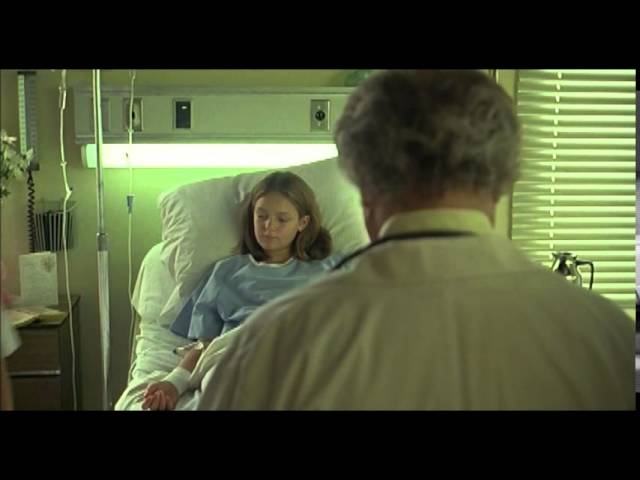
"What are you doing here, honey? You're not even old enough to know how bad life gets."
"Obviously, Doctor," "You've never been a thirteen-year-old girl."
In the next scene, we are transitioned to Cecilia's hospital room. The soft lighting present in the hospital room can be seen as a symbol of her fragility. Cecilia's suicide attempt has left her in a delicate physical and emotional state. The dim lighting underscores her vulnerability and the sense of fragility that permeates the scene. The use of the term "honey" could be interpreted as an attempt to convey empathy and compassion. The doctor may be questioning the girl's actions and expressing a belief that, at her age, she may not fully grasp the depths of despair or challenges that life can present. It could also imply that the doctor is concerned about her well-being and wants to understand her perspective better.
"Obviously, Doctor, you've never been a thirteen-year-old girl," takes on added weight in this context. It suggests that the doctor's life experiences, even if they have dealt with other patients in distress, may not fully encompass the unique emotional and psychological challenges faced by a teenager. The girl is asserting that her age and circumstances play a significant role in her perspective and the difficulties she faces. The lighting in the hospital room can also convey a sense of isolation and detachment. Cecilia is separated from her family and the outside world as she recovers, and the subdued lighting emphasizes her separation from the everyday life she attempted to escape.


No comments:
Post a Comment